U Ceramics: Quality Products & Expert Service
U Ceramics: Quality Products & Expert Service
Readers, have you ever found yourself in need of high-quality ceramics, but struggled to find a supplier that met your expectations? Perhaps you've encountered inconsistent product quality, unreliable service, or exorbitant prices. These frustrations are incredibly common, and it's exactly why U Ceramics stands apart in the industry. U Ceramics is more than just a supplier – it's a trusted partner committed to delivering exceptional ceramic products and unmatched customer service. With years of experience and a deep understanding of the ceramics market, we've developed a comprehensive approach to ensure complete satisfaction for every customer.
Why Choose U Ceramics?
The ceramics industry is vast and diverse, offering a wide range of products for various applications. Whether you're seeking durable tiles for your home, high-performance refractory materials for industrial processes, or intricate ceramic art pieces, navigating the market can be overwhelming. At U Ceramics, we simplify this process by providing a centralized platform for all your ceramic needs. Our commitment to superior quality, unparalleled expertise, and exceptional customer service sets us apart as the leading provider of ceramic solutions.
Unmatched Quality
Every ceramic product we offer undergoes rigorous quality control measures at every stage of production. We source our materials from reputable suppliers known for their consistency and reliability. Our skilled artisans employ advanced techniques to ensure each piece meets the highest standards of craftsmanship. Whether it's the precise dimensions of a tile, the uniform composition of a refractory brick, or the delicate artistry of a ceramic sculpture, you can trust U Ceramics to deliver products that exceed your expectations.
Diverse Product Range
U Ceramics boasts a vast product catalog, catering to a wide array of applications. From traditional ceramic tiles for residential and commercial settings to specialized industrial ceramics for demanding environments, we have the perfect solution for your needs. Explore our selection of:
- Floor and wall tiles
- Refractory materials
- Porcelain tableware
- Ceramic art pieces
- Technical ceramics
- And much more!
We are constantly expanding our product offerings to stay ahead of industry trends and meet the evolving demands of our customers. If you're looking for a specific ceramic product that isn't listed on our website, simply reach out to our team. We're always happy to assist in sourcing unique and specialized items.
Expert Service
At U Ceramics, we firmly believe that exceptional customer service is an essential part of the overall experience. Our team of dedicated professionals is always available to provide expert advice and guidance throughout your journey. Whether you have questions about product specifications, need assistance with selecting the right materials for your project, or require support with installation, we're here to help every step of the way.
Competitive Pricing
We understand that cost is a crucial factor when making purchasing decisions. That's why U Ceramics strives to provide competitive pricing without compromising on quality. We meticulously negotiate prices with our suppliers and streamline our operations to offer the best possible value for our customers. We're confident that you'll find our prices to be highly competitive compared to other ceramic suppliers in the market.
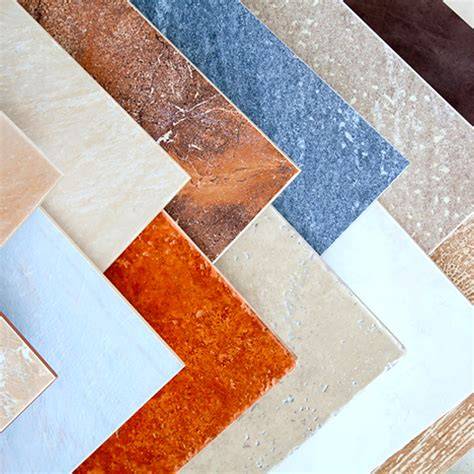
The world of ceramics is vast and diverse, encompassing a wide range of materials with unique characteristics and applications. Understanding the different types of ceramics and their properties is crucial for making informed decisions about your projects. Here's a comprehensive overview of the key types of ceramics you're likely to encounter:
Ceramic Tiles
Ceramic tiles are a popular choice for both indoor and outdoor applications due to their durability, versatility, and aesthetic appeal. They are made from clay and other mineral materials that are fired at high temperatures to create a hard, dense surface. Ceramic tiles come in various sizes, shapes, colors, and finishes, offering countless design possibilities.
Refractory Materials
Refractory materials are designed to withstand extremely high temperatures without melting or degrading. They are commonly used in industrial processes such as metal smelting, glass production, and power generation. Refractory materials are typically made from materials like alumina, silica, and magnesia, which exhibit high melting points and excellent thermal shock resistance.
Porcelain
Porcelain is a type of ceramic known for its fine texture, translucency, and durability. It's often used for tableware, bathroom fixtures, and decorative items. Porcelain is typically made from a mixture of kaolin clay, feldspar, and quartz, which are fired at extremely high temperatures to create a dense, vitrified body.
Technical Ceramics
Technical ceramics encompass a wide range of materials with specialized properties for specific applications. These ceramics are often used in industries such as electronics, aerospace, and medicine. Examples of technical ceramics include:
- Silicon carbide (SiC)
- Silicon nitride (Si3N4)
- Zirconia (ZrO2)
Technical ceramics are characterized by their high strength, wear resistance, and ability to withstand extreme temperatures and corrosive environments.
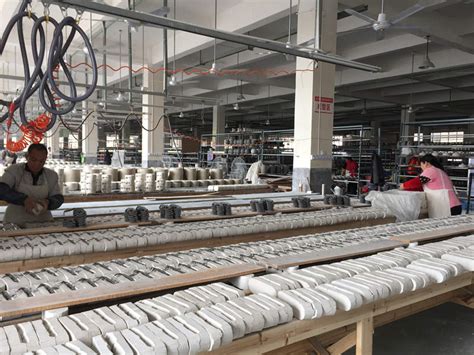
The production of ceramic products involves a complex and precise manufacturing process, from sourcing raw materials to finishing the final product. Here's a step-by-step breakdown of the key stages involved in ceramic manufacturing:
1. Raw Material Extraction and Preparation
The journey begins with the extraction of raw materials from the earth. These materials include clays, feldspars, quartz, and other minerals, which are then processed to remove impurities and prepare them for use in the manufacturing process. These raw materials are carefully blended and ground to achieve the desired particle size and composition.
2. Forming
The prepared raw materials are then shaped into the desired form, using techniques such as:
- Extrusion
- Pressing
- Casting
- Slip casting
The choice of forming technique depends on the type of product being manufactured and the desired properties. For example, tiles are typically formed by extrusion or pressing, while delicate ceramic art pieces may be cast using slip casting.
3. Drying
After forming, the ceramic pieces are dried to remove excess moisture. Drying is a critical step in the manufacturing process, as uneven drying can lead to defects and cracking. The drying process is carefully controlled to ensure that the moisture evaporates gradually and evenly.
4. Firing
Firing is the most important stage in ceramic manufacturing, as it transforms the raw materials into a hard, durable product. The ceramic pieces are placed in a kiln and heated to high temperatures, typically between 1000°C and 1500°C. During the firing process, the raw materials undergo a chemical reaction, creating a strong, stable ceramic body.
5. Glazing (Optional)
For products that require a glazed finish, a liquid glaze is applied to the ceramic surface before firing. The glaze melts during the firing process and forms a smooth, protective layer. Glazes can be used to enhance the appearance, durability, and functionality of ceramic products.
6. Finishing
Once the ceramic pieces have been fired and glazed (if applicable), they undergo various finishing processes to prepare them for sale. These processes may include:
- Polishing
- Cutting
- Drilling
- Decorating
The specific finishing processes used depend on the type of product and its intended application.
Table Breakdown of Ceramic Types and Applications
Here is a table breakdown of the main types of ceramics and their common applications:
| Ceramic Type | Common Applications |
|---|---|
| Ceramic Tiles | Flooring, walls, countertops, backsplashes, showers, patios, facades |
| Refractory Materials | Furnaces, kilns, boilers, crucibles, linings for high-temperature processes |
| Porcelain | Tableware, bathroom fixtures, decorative items, insulators, dental crowns |
| Technical Ceramics | Electronic components, cutting tools, bearings, biomedical implants, fuel cells |
FAQs About U Ceramics
What are the benefits of using ceramic products?
Ceramic products offer numerous benefits, including durability, versatility, aesthetic appeal, and resistance to heat, chemicals, and wear. They are also environmentally friendly, as they are made from naturally occurring materials and can be recycled.
How do I choose the right ceramic product for my needs?
Choosing the right ceramic product depends on your specific requirements. Factors to consider include the intended application, desired properties (durability, heat resistance, aesthetics), and budget. Our expert team at U Ceramics is always available to guide you in selecting the best ceramic solution for your project.
How can I contact U Ceramics for assistance?
You can contact our team by phone, email, or through our website's contact form. We're always here to provide expert advice and support, from initial product selection to post-sale assistance. We're dedicated to ensuring that your experience with U Ceramics is seamless and satisfying.
Conclusion
In conclusion, U Ceramics stands as a leader in providing exceptional ceramics and unparalleled customer service. We offer an extensive selection of high-quality products, from traditional tiles to specialized technical ceramics, all backed by our unwavering commitment to quality, expertise, and affordability. Whether you're a homeowner seeking stylish flooring for your kitchen or an industrial manufacturer in need of durable refractory materials, U Ceramics has the solution to meet your needs. Explore our website and contact us today to discover how U Ceramics can help you achieve your ceramic goals. And be sure to check out our other articles on ceramic care, installation, and design for even more valuable information.


