Clay Ceramic Process: From Raw Material to Finished Product
Clay Ceramic Process: From Raw Material to Finished Product
Readers, have you ever wondered about the journey of clay, from its humble beginnings as earth to its transformation into beautiful and functional ceramic objects? This fascinating process is a testament to human ingenuity and the art of manipulating materials. Clay ceramic making is a complex and rewarding craft that involves a series of carefully orchestrated steps, each contributing to the final product's beauty and durability. I've spent years analyzing and learning about clay ceramic processes, and I'm excited to share my knowledge with you.
From the moment the clay is extracted from the earth to the final firing, each stage holds its own unique challenges and rewards. Let's embark on a journey to understand this process, uncovering the secrets behind creating ceramics that stand the test of time.
Extracting and Preparing the Clay
The journey begins with the extraction of raw clay from the earth. This process, while seemingly simple, involves careful selection and understanding of the clay's properties. Different types of clay exist, each possessing unique characteristics that influence the final product. Clay is a naturally occurring material, and its composition can vary from one location to another. This variability influences the clay's plasticity, shrinkage, and firing behavior.
Once the raw clay is extracted, it undergoes a series of preparation steps to make it suitable for pottery. These steps include:
- Washing: Removing impurities and debris from the clay.
- Sieving: Ensuring a consistent particle size and removing any remaining impurities.
- Kneading: Removing air bubbles and achieving a uniform consistency.
- Wedging: A crucial step that removes air pockets and ensures a homogenous clay body.
These preparation techniques not only enhance the clay's workability but also ensure that the final product is uniform and free from defects.
Shaping the Clay: The Potter's Art
The heart of pottery lies in shaping the clay into desired forms. This is where creativity meets technique, and the potter's skill comes into play. A wide array of methods exist, each with its own set of advantages and challenges. The potter's choice of shaping techniques depends on the desired form and the potter's experience level.
Some commonly used shaping techniques include:
- Handbuilding: A traditional method involving the use of hands and basic tools to shape the clay.
- Pinch Pot: A simple technique where the clay is shaped by pinching with the fingers.
- Coil Building: A method that involves rolling clay into coils and then layering them to create the desired form.
- Slab Building: A technique where flat pieces of clay are cut and joined together to create three-dimensional forms.
- Wheel Throwing: A technique that uses a potter's wheel to create symmetrical forms.
These various techniques allow for a wide breadth of creative expression, resulting in a diverse range of ceramic forms and styles.
Drying and Bisque Firing
Once the clay is shaped, it's crucial to allow it to dry slowly and evenly. This drying process is an essential phase, as it prepares the clay for the first firing, known as the bisque firing. Drying too quickly can cause cracks and warping, while uneven drying can lead to internal stresses that can damage the piece.
Bisque firing is the first firing process, and its primary purpose is to harden the clay and make it porous. During this firing, the clay undergoes structural changes, transforming from a wet, malleable form to a hardened, porous state.
The bisque firing is typically done at a temperature of around 1000°C (1832°F). The clay is heated slowly and allowed to cool gradually to prevent thermal shock. During this process, the clay undergoes a series of transformations, developing its final strength and becoming ready for the next stage.
Glazing: A Protective and Decorative Layer
Glazing is the process of applying a thin layer of glass-like material to the surface of the ceramic piece. This layer not only enhances the piece's aesthetic appeal but also serves as a protective coating, preventing absorption of liquids and making the piece more durable.
Glazes are carefully crafted mixtures of mineral oxides, fluxes, and silica. The specific composition of the glaze influences its color, texture, and firing properties. There are countless glaze recipes, each yielding unique aesthetic and functional properties.
The glaze is applied to the bisque-fired piece and then fired again at a higher temperature. This second firing, known as the glaze firing, melts the glaze, creating a smooth, glassy layer that fuses with the ceramic body.
The Importance of Firing and Temperature Control
Firing is a crucial step in the clay ceramic process, and it requires careful control of temperature and atmosphere. The temperature at which the clay is fired determines its final properties, such as strength, porosity, and color.
Different types of clay require different firing temperatures. For example, earthenware clay, commonly used in pottery, is fired at lower temperatures than stoneware clay. Kilns are used for firing ceramic pieces, and they come in various types, including electric kilns, gas kilns, and wood-fired kilns.
Temperature control within the kiln is vital. If the temperature is too high, the clay can become overfired, leading to cracking and deformation. Conversely, if the temperature is too low, the clay may not reach its full strength, making the piece brittle and susceptible to damage.
Understanding Different Types of Clay
There are three main types of clay used in pottery: earthenware, stoneware, and porcelain. Each type has unique properties and is suited for different applications.
Earthenware: This type of clay is fired at lower temperatures (around 1000°C). It is often porous, making it suitable for functional pieces like mugs, plates, and bowls. Earthenware can be glazed to make it waterproof.
Stoneware: This type of clay is fired at higher temperatures (around 1200-1300°C) than earthenware. It is more durable and less porous, making it suitable for both functional and decorative pieces. Stoneware is often used for tableware, tiles, and sculptures.
Porcelain: This type of clay is fired at the highest temperatures (around 1300-1400°C) and is known for its translucency, whiteness, and durability. Porcelain is widely used for fine china, teacups, and decorative objects.
The choice of clay depends on the desired properties of the final product. For example, if you want a piece that is durable and can withstand high temperatures, stoneware would be a good choice. But if you want a piece that is delicate and elegant, porcelain would be a better option.
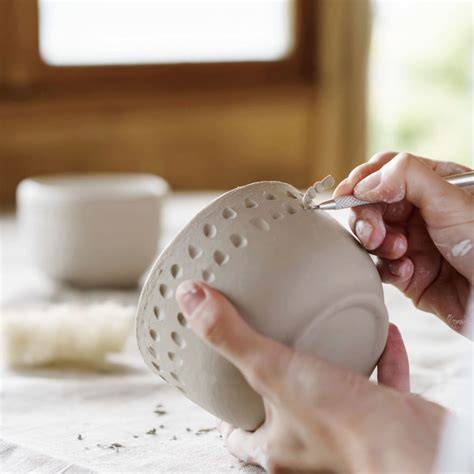
Adding decorative elements to ceramic pieces is a significant aspect of the clay ceramic process. These decorative techniques are typically applied after bisque firing and before glazing, though some may be integrated into the shaping process.
Some common decorative techniques include:
- Incising: Carving into the surface of the clay with sharp tools to create patterns and designs.
- Impressing: Using stamps or textured objects to create patterns on the surface of the clay.
- Sgraffito: A technique that involves scratching through a layer of slip (liquid clay) or glaze to reveal the underlying color or clay.
- Slipware: Applying a thin layer of slip (colored clay) to the surface of the piece to create decorative patterns or designs.
- Underglaze Painting: Applying colored oxides or pigments to the bisque-fired piece before glazing. The glaze then covers and protects the colors.
These techniques allow potters to create unique and expressive ceramic pieces, transforming simple forms into works of art.
Understanding the Importance of Glaze Chemistry
Glaze chemistry is a complex and fascinating aspect of the clay ceramic process. The composition of a glaze determines its properties, including its color, texture, and firing behavior. Glazes are typically composed of four main ingredients: silica, alumina, flux, and colorants.
Silica (SiO2): This is the primary ingredient in most glazes and acts as the glass former. It provides strength and durability to the glaze.
Alumina (Al2O3): This ingredient enhances the glaze's viscosity and helps it adhere to the ceramic body. It acts as a stabilizer and prevents the glaze from running or cracking.
Flux: This ingredient lowers the melting point of the glaze, allowing it to melt and fuse with the ceramic piece at lower temperatures. Common fluxes include borax, feldspar, and soda ash.
Colorants: These are metal oxides that are added to the glaze to create different colors. The specific colorant used will determine the final color of the glaze.
Understanding the chemistry of glazes allows potters to create specific effects and colors in their work. They can adjust the composition of the glaze to achieve desired results, such as a glossy finish, a matte finish, or a specific color.
Types of Glazes and Their Properties
There are many different types of glazes, each with its own unique properties. Understanding the different types of glazes and their properties is essential for choosing the right glaze for your project. Some common types of glazes include:
- Matte glazes: These glazes have a non-reflective, dull finish. They can be used for both functional and decorative pieces. Matte glazes are often used for tableware and tiles.
- Glossy glazes: These glazes have a shiny, reflective finish. They can be used for both functional and decorative pieces. Glossy glazes are often used for mugs, plates, and bowls.
- Crackle glazes: These glazes have a network of fine cracks on their surface. This effect occurs when the glaze cools faster than the clay body, causing the glaze to shrink and crack. Crackle glazes are often used for decorative pieces.
- Crystal glazes: These glazes contain crystals that form during the firing process. The crystals can be different sizes and shapes, and they can create unique visual effects. Crystal glazes are often used for decorative pieces.
Experimenting with different types of glazes is a rewarding part of the clay ceramic process. Potters can explore different finishes and effects to create unique and expressive pieces.
The Importance of Safety Precautions in the Clay Ceramic Process
Working with clay and glazes requires taking specific safety precautions. This includes wearing appropriate protective gear, handling materials responsibly, and having a well-ventilated workspace.
Here are some key safety considerations:
- Wear a dust mask: Clay dust can be harmful to the lungs, so it's important to wear a dust mask any time you are working with clay.
- Wash your hands thoroughly: Clay can contain harmful bacteria, so it's essential to wash your hands thoroughly after working with clay.
- Use gloves when handling glazes: Glazes often contain lead, which can be toxic. Wear gloves when handling and applying glazes.
- Work in a well-ventilated area: Glazes release fumes during firing, so it's essential to work in a well-ventilated area, preferably outside.
- Store clay and glazes properly: Store clay and glazes in sealed containers to prevent them from drying out or becoming contaminated.
Following these safety precautions will ensure a safe and enjoyable clay ceramic experience.
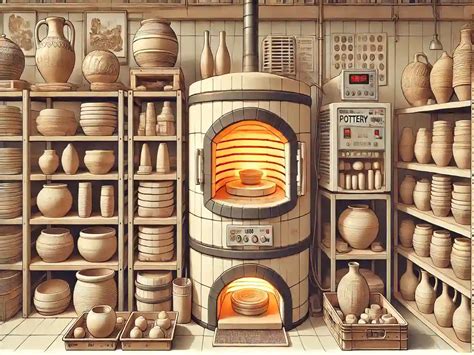
Kilns are essential equipment for firing ceramics. They are designed to reach high temperatures, providing the necessary heat to transform clay and glaze into their final forms. There are different types of kilns used for firing ceramics, each with its own advantages and disadvantages.
Electric kilns: These kilns use electricity to generate heat. They are relatively easy to control and maintain. However, they can be more expensive to run than gas kilns.
Gas kilns: These kilns use natural gas to generate heat. They are generally more efficient than electric kilns but require careful maintenance.
Wood-fired kilns: These kilns use wood as a fuel source. They produce unique colors and finishes on ceramic pieces due to the interaction of smoke and ash with the glaze. However, they require a lot of skill and experience to operate.
Choosing the right type of kiln depends on your budget, the type of ceramics you're firing, and your experience level.
The Art of Glazing: Techniques and Considerations
Glazing is an essential part of the clay ceramic process that adds a protective and decorative layer to the ceramic piece. It involves applying a thin layer of glass-like material to the surface of the bisque-fired piece and then firing it again to melt the glaze and fuse it with the clay body.
There are various techniques for applying glazes, each producing unique effects.
- Dipping: Submerging the bisque-fired piece in a container of glaze.
- Pouring: Pouring glaze directly onto the surface of the piece.
- Brushing: Applying glaze with a brush.
- Spraying: Applying glaze with an airbrush.
Glazing requires careful consideration, as different glazes have different firing temperatures and properties.
It's important to choose a glaze that is compatible with the clay body being used and to apply it evenly to ensure a consistent finish.
The Importance of Learning Clay Ceramic Techniques
The clay ceramic process is a rewarding journey that requires patience, practice, and a willingness to experiment. Learning the basics of clay ceramic techniques will allow you to explore your creativity and create unique and functional pieces.
There are many resources available for learning about clay ceramics, including:
- Local pottery studios: These studios often offer classes and workshops for beginners and experienced potters.
- Online courses: Many online platforms offer courses on various clay ceramic techniques.
- Books and videos: There are numerous books and videos available that provide detailed instructions and tips on clay ceramic techniques.
By exploring these resources and practicing, you can develop your clay ceramic skills and create beautiful and functional ceramic objects. The process of transforming clay into finished products is a fulfilling journey that allows you to express your creativity and connect with a tradition that spans thousands of years.
FAQ
What are some common mistakes made by beginners in clay ceramics?
A common mistake is drying the clay too quickly, leading to cracks and warping. Another mistake is not wedging the clay thoroughly, which can result in air pockets that can cause the piece to explode during firing. Finally, beginners often use too much water when working with clay, which can make the clay too soft and difficult to shape.
What equipment do I need to get started with clay ceramics?
To get started, you'll need some basic equipment, including clay, a potter's wheel, a kiln, tools for shaping the clay, and glazes. You can start with a small pottery wheel and a small electric kiln, which are suitable for beginners. There are many resources available online for finding the best deals on pottery equipment.
What are some tips for successful clay ceramic firing?
It's crucial to control the firing temperature and to be patient. The clay needs to be heated slowly and evenly to prevent cracks and warping. Also, make sure to cool the clay slowly after firing to prevent thermal shock, which can damage the piece.
Conclusion
The clay ceramic process, from the extraction of raw materials to the final firing, is a fascinating journey that combines art, science, and craft. It is a rewarding experience that allows you to create beautiful and functional objects while connecting with a tradition that spans thousands of years. So, if you are interested in exploring this unique and satisfying process, be sure to check out the resources we mentioned and embrace the adventure of clay ceramics. And, of course, stay tuned for our next blog post where we'll delve into more specific techniques and tips for creating beautiful ceramic masterpieces!


